








Plasma fibroblast therapy is a non-surgical aesthetic procedure that has gained attention for its role in addressing certain skin concerns related to laxity and texture. As interest grows, many individuals seek clear, reliable information about who may be considered an appropriate candidate for this type of treatment. Understanding suitability is essential, as plasma fibroblast procedures are not universally appropriate and outcomes can vary widely depending on individual factors.
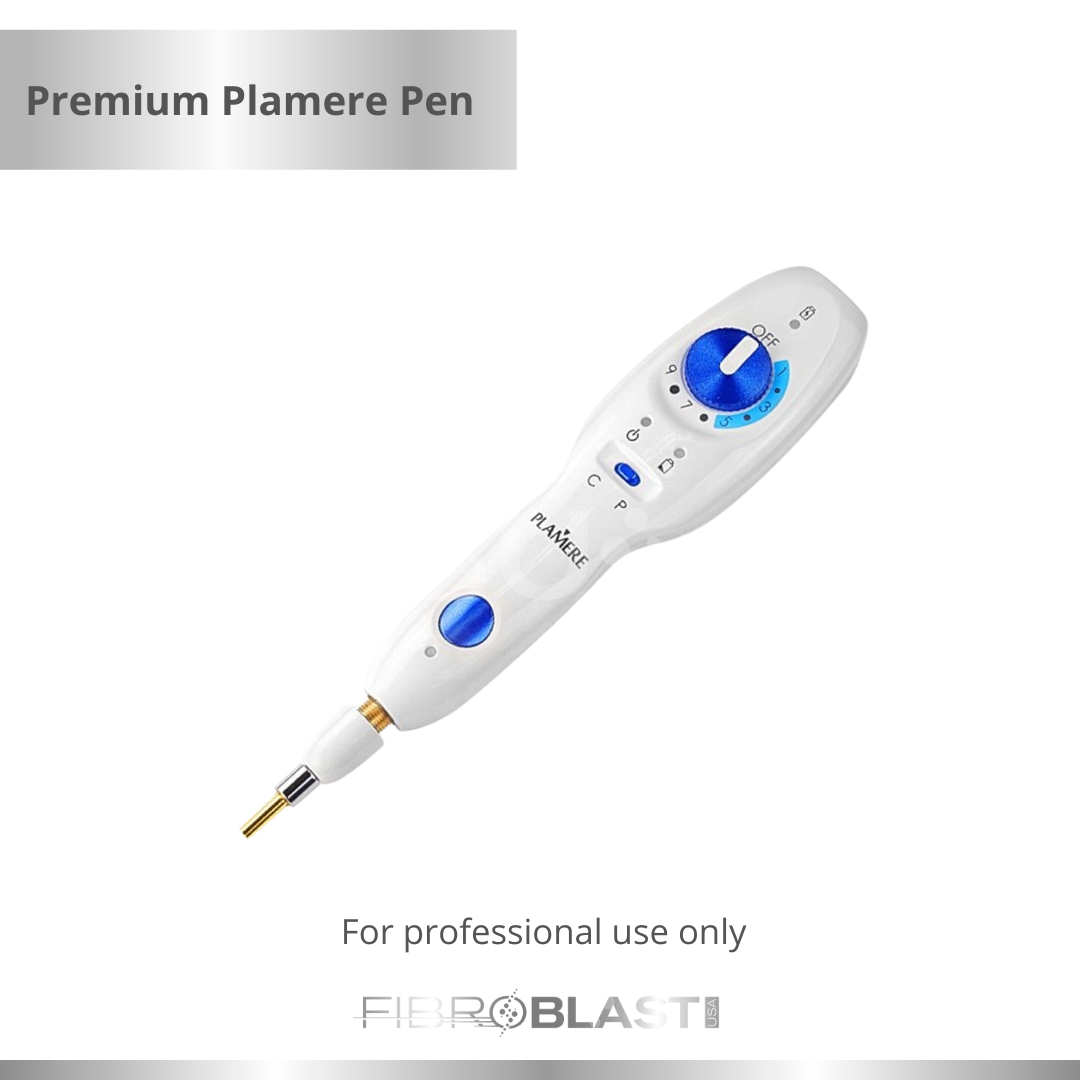
Plamere is one of several plasma-based devices used by trained professionals to perform plasma fibroblast treatments. Like all aesthetic technologies, its use requires careful patient assessment, practitioner expertise, and realistic expectations. This article provides an educational overview of plasma fibroblast therapy, outlines general characteristics commonly evaluated during candidacy assessments, and explains why professional consultation plays a critical role in determining whether this approach may be appropriate for an individual.
This content is intended for informational purposes only and does not replace professional medical advice or consultation.
What Is Plasma Fibroblast Therapy?
Plasma fibroblast therapy is a cosmetic procedure that uses plasma energy to create controlled micro-injuries on the surface of the skin without direct contact. Plasma is often described as an ionized gas that can be generated between the device tip and the skin when energy interacts with atmospheric gases. This interaction results in a small, targeted thermal effect at the epidermal level.
The controlled skin response triggered by this process is associated with natural healing mechanisms, including fibroblast activity. Fibroblasts are cells involved in the maintenance of connective tissue and play a role in collagen-related processes. It is important to note that individual biological responses differ, and the extent of visible skin changes can vary.
Plasma fibroblast therapy is distinct from laser treatments, radiofrequency procedures, and surgical interventions. Each modality operates through different mechanisms and carries its own considerations, risks, and limitations.
How Plamere Is Used in Plasma Fibroblast Procedures
Plamere is a plasma-based aesthetic device designed for use by trained practitioners in professional settings. During a procedure, the device generates plasma energy that is applied in a precise, controlled manner to selected areas of the skin. The practitioner determines treatment patterns, spacing, and parameters based on the treatment area and the individual’s skin characteristics.
The effectiveness and safety of plasma fibroblast therapy depend not only on the device used but also on practitioner training, experience, and adherence to proper protocols. Device selection alone does not determine suitability or outcomes, which is why comprehensive evaluation remains essential.

General Characteristics Commonly Considered During Candidate Evaluation
Plasma fibroblast therapy is not a one-size-fits-all procedure. Practitioners typically assess several factors before determining whether an individual may be considered for treatment.
Adults With Mild to Moderate Skin Laxity
Plasma fibroblast procedures are commonly evaluated for individuals with mild to moderate skin laxity rather than advanced or severe sagging. Areas frequently assessed include the eyelids, perioral region, neck, and jawline. The degree of laxity plays a significant role in whether non-surgical approaches are appropriate.
Individuals Seeking Non-Surgical Options
Some individuals prefer non-surgical aesthetic procedures due to personal preferences, medical considerations, or recovery concerns. Plasma fibroblast therapy may be explored as an option within this context, provided expectations are realistic and aligned with what non-surgical treatments can reasonably address.
Individuals With Stable Skin Conditions
Healthy, intact skin in the treatment area is an important consideration. Practitioners typically assess for the absence of active infections, open lesions, or inflammatory skin conditions that could interfere with healing or increase the risk of complications.
Skin Type and Pigmentation Considerations
Skin type and pigmentation are critical factors in plasma fibroblast candidacy. Practitioners often reference the Fitzpatrick skin type classification as part of their assessment, as varying levels of melanin can influence healing responses and the likelihood of pigmentation changes.
Individuals with higher levels of pigmentation may be at increased risk for post-inflammatory hyperpigmentation. For this reason, careful evaluation, conservative treatment planning, and thorough patient education are essential. Suitability is determined on a case-by-case basis rather than through broad generalizations.
Treatment Areas Commonly Evaluated
Plasma fibroblast therapy is typically evaluated for specific areas where skin laxity or fine textural changes are present. Commonly assessed areas include:
- Upper and lower eyelids
- Forehead and brow region
- Perioral lines and smile lines
- Neck and décolletage
- Small localized body areas, such as mild abdominal skin laxity
Each area presents unique anatomical considerations, and not all regions are suitable for treatment in every individual.
Who May Not Be a Suitable Candidate
Identifying who may not be appropriate for plasma fibroblast therapy is just as important as identifying who may be considered.
Certain Medical or Skin Conditions
Individuals with active skin infections, open wounds, or uncontrolled inflammatory skin conditions in the treatment area are generally not considered suitable candidates. Conditions that affect wound healing may also influence candidacy and require careful medical evaluation.
Pregnancy and Breastfeeding Considerations
There is limited clinical data regarding plasma fibroblast therapy during pregnancy or breastfeeding. As a precautionary measure, many practitioners recommend postponing elective aesthetic procedures during these periods.
Unrealistic Expectations
Plasma fibroblast therapy produces variable outcomes, and results depend on individual skin characteristics, healing responses, and treatment parameters. Individuals expecting dramatic or immediate changes may not be appropriate candidates without further education and expectation alignment.
The Role of Professional Consultation
A thorough consultation is a fundamental part of determining candidacy for plasma fibroblast therapy. During this process, practitioners typically review medical history, assess skin condition, and discuss potential risks and limitations. This evaluation allows for informed decision-making and personalized treatment planning.
Professional consultation also provides an opportunity to discuss alternative treatment options when plasma fibroblast therapy may not be suitable.
Safety, Aftercare, and Recovery Considerations
Following plasma fibroblast treatment, temporary skin responses such as redness, swelling, and the formation of small carbon crusts are commonly observed. These responses are part of the skin’s natural healing process. Proper aftercare, including sun protection and adherence to practitioner guidance, plays an important role in recovery.
Recovery timelines vary among individuals, and visible changes may develop gradually over time. Practitioners typically provide individualized aftercare instructions based on the treatment area and skin type.
Setting Realistic Expectations
Plasma fibroblast therapy does not produce uniform outcomes across all individuals. Factors such as age, skin quality, treatment area, and adherence to aftercare recommendations influence results. Some individuals may require more than one session, while others may be advised to consider alternative approaches.
Understanding the limitations of non-surgical aesthetic procedures is essential for making informed decisions.
The Importance of Education in Aesthetic Decision-Making
Accurate, evidence-aligned information empowers individuals to make informed choices about aesthetic procedures. Plasma fibroblast therapy should be considered within the broader context of skin health, practitioner expertise, and individualized assessment.
Educational resources, professional guidance, and transparent discussions about risks and limitations support responsible decision-making and patient safety.
Conclusion
Plasma fibroblast therapy is a non-surgical aesthetic approach that may be considered for certain individuals following careful evaluation. Candidacy depends on multiple factors, including skin condition, treatment goals, medical history, and professional assessment. Plamere, like other plasma-based devices, is a tool used by trained practitioners within established protocols, not a determinant of suitability on its own.
For those exploring plasma fibroblast therapy, consultation with a qualified professional remains the most reliable way to determine whether this procedure aligns with individual needs and expectations.
Key Takeaways (Quick Summary)
- Plasma fibroblast therapy is a non-surgical aesthetic procedure using plasma energy
- Suitability varies based on skin type, condition, and individual factors
- Plamere is a plasma device used by trained professionals, not a guarantee of outcomes
- Professional consultation is essential for safe and appropriate treatment planning
- Education and realistic expectations are central to responsible aesthetic decisions
Frequently Asked Questions (FAQs)
What is plasma fibroblast therapy used for?
Plasma fibroblast therapy is a non-surgical aesthetic procedure that is commonly evaluated for concerns related to mild to moderate skin laxity and texture. It is typically considered for areas such as the eyelids, perioral region, neck, and other localized areas where skin tightening may be explored. Its use depends on individual skin characteristics and professional assessment.
Who determines whether someone is a suitable candidate for plasma fibroblast therapy?
Suitability is determined by a trained and qualified practitioner following a thorough consultation. This evaluation generally includes a review of skin condition, medical history, treatment goals, and potential risk factors. Plasma fibroblast therapy is not appropriate for every individual, and candidacy is assessed on a case-by-case basis.
Is plasma fibroblast therapy considered a medical procedure?
Plasma fibroblast therapy is classified as an aesthetic procedure rather than a medical treatment. It does not diagnose, treat, or prevent disease. The procedure should be performed by trained professionals who follow established safety and hygiene protocols.
What skin types are commonly evaluated for plasma fibroblast treatments?
All skin types may be evaluated; however, skin pigmentation and healing response are important considerations. Individuals with higher melanin levels may have an increased risk of pigmentation changes, which is why careful assessment and conservative treatment planning are essential. Practitioners determine suitability based on individual risk factors rather than skin type alone.
Are results from plasma fibroblast therapy the same for everyone?
No. Individual responses vary based on factors such as age, skin condition, treatment area, healing response, and adherence to aftercare instructions. Because of this variability, outcomes cannot be predicted with certainty and should be discussed during consultation.
How many sessions are typically evaluated for plasma fibroblast therapy?
The number of sessions varies depending on individual skin response and the area treated. Some individuals may be evaluated for additional sessions after healing has occurred, while others may not be advised to continue treatment. Session planning is determined by the practitioner.
What is Plamere in relation to plasma fibroblast therapy?
Plamere is a plasma-based aesthetic device used by trained professionals to perform plasma fibroblast procedures. It is one of several devices available for this type of treatment and functions as a tool within a practitioner’s broader treatment protocol.

