









Creating natural-looking results without surgery has become a major priority for many clients across U.S. med-spas and aesthetic clinics. Tools like the Plamere™ device are used by trained professionals for cosmetic surface treatments that focus on tightening the look of the skin, improving the appearance of texture, and supporting overall skin rejuvenation goals. While individual results vary and depend heavily on skin type, technique, and aftercare, the device has become known for its versatility on multiple areas of the face and body.
In this article, we explore fact-based aesthetic use-cases of Plamere™. We will also clarify safety considerations and emphasize that treatments must always be performed by trained practitioners who understand plasma energy, anatomy, and appropriate aftercare protocols. No tool or technique is universally suitable, so consultation remains essential.
Understanding Plamere™ and How It Works
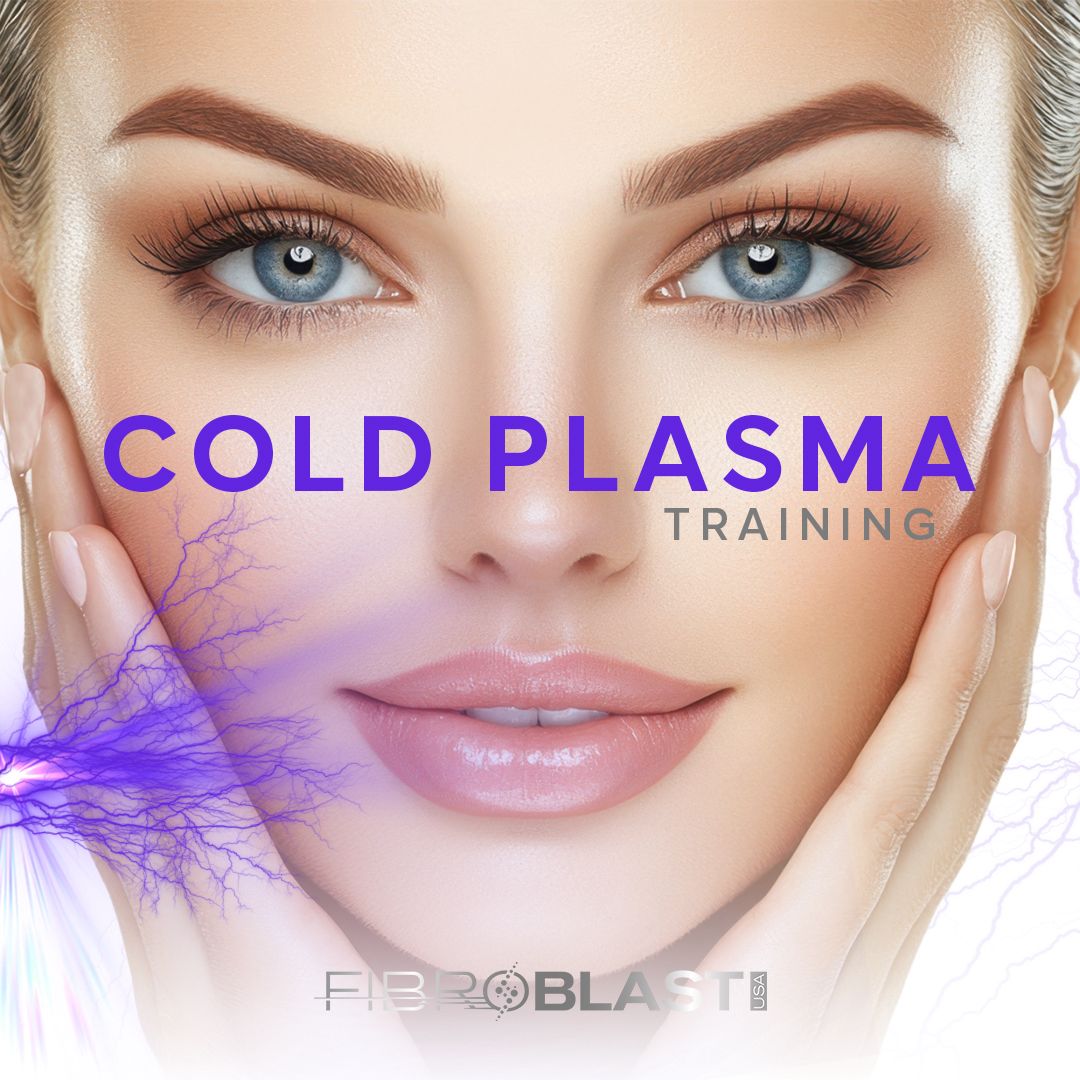
The Plamere™ device uses plasma arc technology, which creates a controlled micro-arc when the tip is held just above the skin’s surface. This arc causes a brief, localized reaction in the epidermis, which can help tighten the appearance of superficial tissue. The skin is not cut and the device does not enter deeper layers. Instead, the treatment focuses on creating tiny, deliberate points that stimulate a natural healing response.
Because the skin’s reaction varies greatly depending on thickness, hydration, natural elasticity, and sensitivity, the practitioner’s assessment guides everything from intensity to spacing. Even two individuals with similar concerns may require different parameters. This is why professional training is critical; the outcomes depend more on technique and aftercare than the tool alone.
Plasma devices can cause swelling, visible crusts, redness, and temporary pigmentation changes. These are normal healing responses but should always be discussed beforehand so clients understand what to expect.
Aesthetic Use-Cases on the Face
The face is one of the most common areas where Plamere™ is used, mainly because facial skin responds well to targeted, superficial tightening.
Forehead Refinement
The forehead often shows early signs of texture changes due to movement and natural aging. Practitioners may use the Plamere™ tool to soften the look of horizontal lines and address mild laxity. Because forehead skin tends to be thicker than eyelid skin, trained professionals adjust their approach so the energy remains controlled and uniform.

Cheek and Mid-Face Appearance
In the mid-face, the device is used to refine overall texture and the appearance of crepey regions. Commonly treated zones include the upper cheeks and areas around the nasolabial folds. It's important to note that plasma treatments cannot replace structural volume; rather, they target surface irregularities and skin tightness. Clients often choose this option when they want a cosmetic enhancement without fillers or invasive lifting procedures.
Around the Mouth
Fine vertical lines around the mouth are a common concern. The area is delicate and requires a conservative technique to avoid over-tightening. When used correctly, Plamere™ can help improve the appearance of superficial lines, but practitioners typically space sessions to observe how the skin reacts before recommending additional treatment.
Aesthetic Use-Cases for the Eye Area
The eyes are one of the areas where plasma tools are frequently used, but also where the highest level of experience is needed. The skin around the eyes is the thinnest on the face, and healing responses can be more pronounced.
Upper Eyelid Appearance
Some clients seek a non-surgical way to tighten the look of droopy or loose upper eyelid skin. Plasma arc treatments may help create a firmer appearance in this region, though downtime is typically longer than on the cheeks or forehead due to swelling. The precision of the device allows practitioners to focus on very small areas without contacting the skin directly.
Lower Eyelid and Crow’s Feet
For the lower eyelid region, the goal is usually to minimize the look of crepey texture or fine lines. Swelling is common and can last several days. A trained professional evaluates whether the client’s skin thickness and elasticity make them a suitable candidate, as overly thin or highly sensitive skin may require a different cosmetic approach.
Aesthetic Use-Cases for the Neck
The neck often shows signs of aging earlier than other areas due to thinner skin and increased exposure to movement.
Improving the Appearance of Crepey Neck Skin
Plasma devices may help tighten the look of superficial crepey texture. Because neck skin varies widely from person to person, practitioners often use lighter settings and ensure sessions are spaced out enough to allow full healing.
Jawline and Under-Chin Refinement
Some clients want to enhance the appearance of definition around the jawline. While Plamere™ cannot reshape underlying structures, it may help improve the surface tightness of skin that appears loose or uneven. This can complement other cosmetic routines and is often part of combination treatment plans designed by aesthetic professionals.
Aesthetic Use-Cases for the Body
Plasma treatments are not limited to the face and neck. Many trained providers also use the Plamere™ device on different areas of the body, depending on individual concerns and goals.
Stomach and Post-Weight-Loss Skin
Areas like the abdomen often experience stretching, which can lead to a crepey appearance. Plasma arc treatments may support improved skin appearance in these regions, though results depend heavily on natural elasticity and healing response. Larger areas may require multiple sessions because the treatment grid must be applied carefully and evenly.
Arms and Knees
These areas are prone to mild laxity and textural changes. Practitioners adjust their settings to match the thickness of the skin, which is often very different from facial zones. Heating and swelling responses also differ from person to person.
Stretch Marks
Plasma devices cannot remove stretch marks. However, some practitioners use the tool to reduce the visual contrast between the stretch mark and surrounding skin by improving textural irregularities on the epidermal surface. The degree of improvement varies and is influenced by how old the stretch marks are and the skin’s overall behavior.
Who May Not Be an Ideal Candidate
Not everyone can undergo plasma treatments. Factors such as active skin infections, certain dermatological conditions, history of keloids, delayed wound healing, or very dark skin types (based on Fitzpatrick scale) may require alternative cosmetic options to avoid pigmentation concerns.
Pregnant or breastfeeding clients are typically advised to postpone plasma treatments as a precaution. Individuals who have recently undergone chemical peels, micro-needling, or other resurfacing procedures may also need to wait before using plasma technology.
A qualified professional will perform a full assessment, review the client’s medical history, and discuss realistic expectations before recommending any cosmetic approach.
What Clients Commonly Experience During and After Treatment
During treatment, clients may feel warmth or tingling. Local anesthetic creams are commonly used by practitioners to make the experience more comfortable. Tiny carbon crusts form where the plasma arc touched the skin; these usually fall off within several days.
Swelling—especially around the eyes—is expected and can last between two to four days, depending on the intensity of treatment. Redness may remain longer and is part of the natural healing response.
Aftercare plays a major role in overall outcomes. Protecting the area from sun exposure, avoiding picking at crusts, and following professional aftercare guidance reduces the risk of pigmentation changes and supports smoother healing.
Safety, Training, and Professional Responsibility
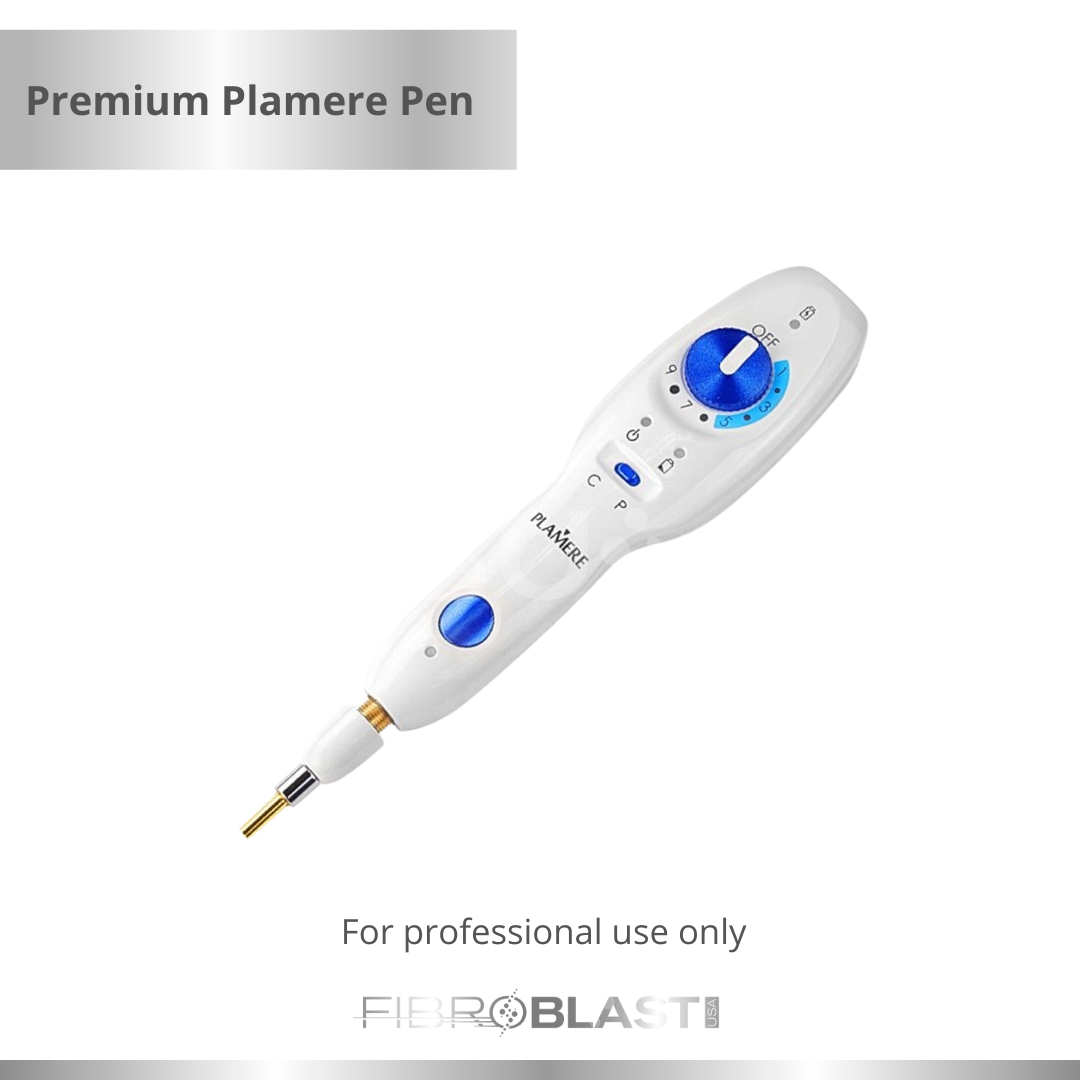
Plasma devices require skill, precision, and an understanding of the skin’s anatomy. Practitioners should be trained in proper mapping, spacing, energy levels, and sterilization. The Plamere™ tool’s reliability and ergonomic design make it a popular choice among licensed aestheticians, but it still requires professional handling.
Clients should always choose a provider who practices safe protocols, uses high-quality devices, and gives transparent aftercare instructions. Because plasma treatments can cause visible healing stages, clear communication ensures clients understand the process before starting.
Conclusion
The Plamere™ device offers a versatile, non-surgical option for addressing cosmetic concerns across the face, eyes, neck, and body. Its ability to target small, precise areas makes it especially useful for aesthetic professionals who want a controlled treatment method using plasma technology. Although results vary and depend on individual factors, many clients appreciate the surface-tightening and texture-improving effects that plasma treatments can support.
As with any aesthetic procedure, the most important step is choosing a trained practitioner who can assess your skin, explain what to expect, and guide you through safe aftercare. With proper technique and realistic expectations, plasma-based cosmetic treatments can be a valuable addition to a professional skincare toolkit.
FAQs: Aesthetic Use-Cases for Plamere™
What is the Plamere™ device used for in aesthetics?
Plamere™ is used by trained professionals for cosmetic surface treatments involving plasma arc technology. It is commonly applied to areas where clients want to improve the appearance of texture, mild laxity, or fine lines on the face, eyes, neck, and body. It does not replace surgical procedures and does not penetrate the deeper layers of skin.
Is the treatment painful?
Most practitioners apply a topical numbing cream to make the procedure more comfortable. Clients typically report sensations such as warmth, tingling, or mild stinging during the session. Sensitivity varies from person to person.
How long does healing usually take?
Healing depends on the area treated and the client’s individual skin response. Many people experience redness, swelling, and small carbon crusts that may last several days. Under-eye areas often swell more than other regions. Your practitioner will explain what to expect based on your specific treatment plan.
Can Plamere™ be used on all skin types?
Not always. Certain skin types have a higher likelihood of experiencing pigmentation changes after plasma treatments. Professionals often evaluate the client’s Fitzpatrick scale, medical history, and past healing patterns before recommending the procedure.
Are plasma treatments permanent?
Plasma treatments affect the superficial layers of the skin and create a tightening effect that may last for a period of time, but the skin continues to age naturally. Maintenance sessions may be suggested depending on individual goals, but the exact duration of visible results varies.

