








As interest in non-surgical skin-tightening grows across the U.S., Plasma Fibroblast therapy has become a widely discussed option in the beauty and aesthetics industry. Many people are drawn to it because it aims to improve the appearance of fine lines, texture, and mild skin laxity without surgery. But with its rising popularity, one question comes up frequently: Is Plasma Fibroblast therapy safe?
At FibroblastUSA, we believe that transparency is essential. While many clients tolerate the procedure well, it is not suitable for everyone, and understanding the risks is just as important as understanding the potential benefits. In this article, we break down how the treatment works, what aftercare looks like, who may not be an ideal candidate, and what realistic expectations look like—without guarantees or exaggerated claims.
How Plasma Fibroblast Therapy Works
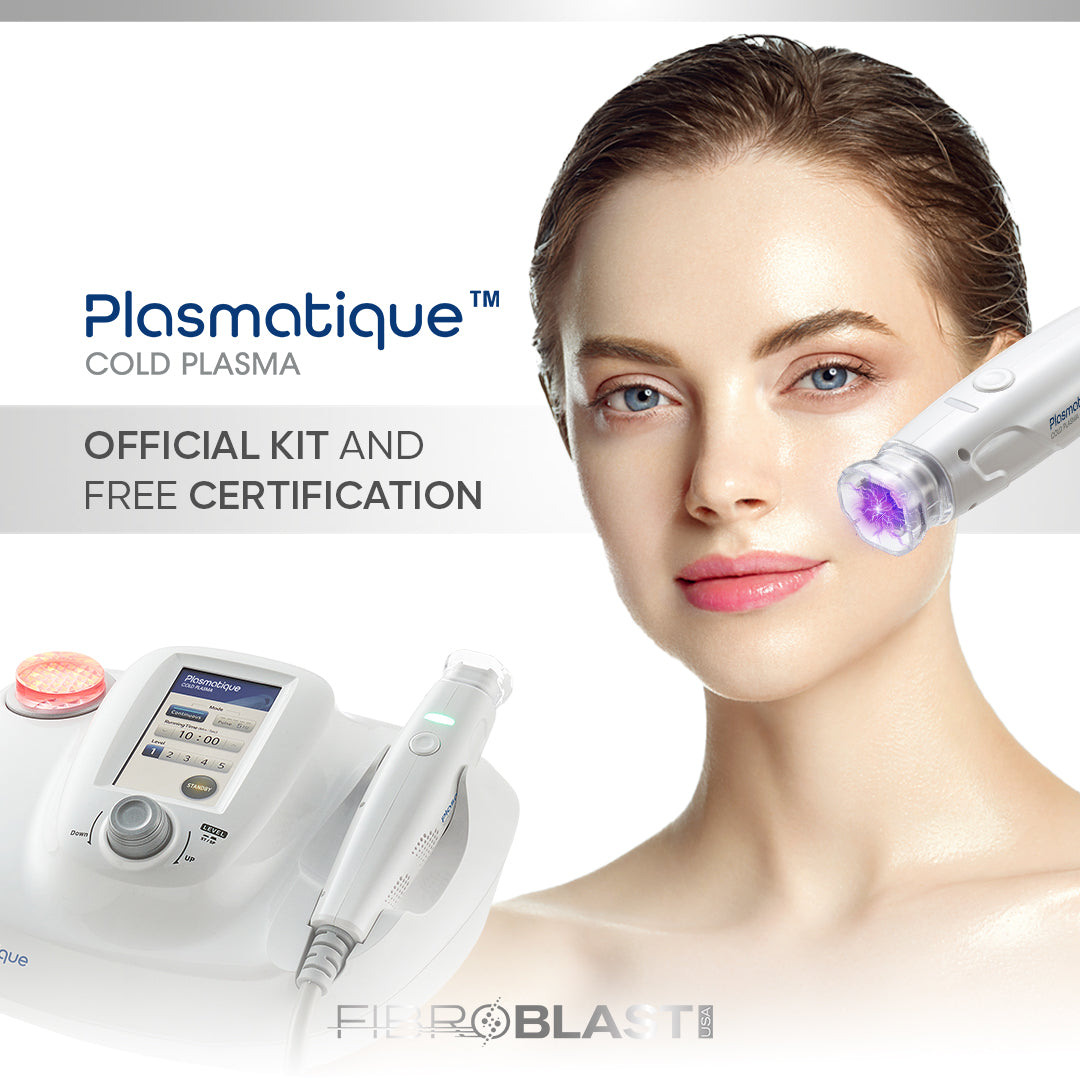
Plasma Fibroblast therapy uses controlled micro-arcs of heat energy to create tiny, superficial “dots” on the skin. These dots form when the device ionizes the air between the tip and the skin surface, creating a plasma arc. This energy does not cut the skin but creates micro-injuries designed to stimulate the skin’s natural repair response.
During a typical session:
- The practitioner cleans the skin and applies a topical numbing cream.
- The device creates small carbon crusts on the treated area.
- Clients often describe the sensation as warm or prickly.
- Appointments usually last between 30–90 minutes, depending on the area.
It’s important to note that individual responses vary. Some clients may see visible changes after healing, while others may notice more subtle results. The process involves the body’s natural repair mechanisms, making it inherently variable.
Is Plasma Fibroblast Therapy Safe? A Balanced Look
Plasma Fibroblast therapy has been used in aesthetic settings for years, and many individuals tolerate it well when performed by a trained professional using a high-quality device. However, no cosmetic procedure is entirely risk-free.
Treatment safety depends heavily on:
- The practitioner’s skill, experience, and adherence to hygiene standards
- Device quality and correct technique
- Proper evaluation of the client’s skin type and health background
- Following aftercare instructions
- Avoiding treatments when contraindications are present
When these factors are respected, the procedure is generally considered safe for selected individuals. But because it involves intentional micro-injury, there is always potential for unwanted reactions.

Common Side Effects & Less Common Risks
Here’s what many people experience—and what some individuals may be at higher risk of experiencing.
Common Temporary Effects
These responses are expected during normal healing:
- Redness
- Swelling
- Tightness
- Small carbon crusts
- Mild warmth or sensitivity
These effects typically resolve within several days to two weeks, depending on the person.
Less Common Risks
- Pigmentation changes (temporary darkening or lightening)
- Prolonged redness or sensitivity
- Texture irregularities
- Delayed healing
- Infection (more likely if aftercare is not followed)
- Scarring, rare but possible, especially in those prone to keloid formation
What Can Increase Risk?
- Picking or scratching carbon crusts
- Sun exposure during early healing
- Using harsh skincare ingredients too soon
- History of scarring issues
- Certain medications
- Underlying medical conditions affecting healing
Understanding these risks helps us make informed decisions and identify when alternative treatments may be safer.
Who Should Think Twice Before Getting Plasma Fibroblast?
Plasma Fibroblast therapy is not recommended for everyone. Certain individuals may have a higher likelihood of unwanted effects or slower recovery.
A. Individuals Who May Not Be Ideal Candidates
- People who are pregnant or breastfeeding (often postponed as a precaution)
- Those with very dark skin tones, due to a higher chance of pigmentation shifts
- Anyone with a history of keloids or hypertrophic scarring
- Individuals with active acne, eczema, or dermatitis in the treatment area
- People using certain medications that affect skin healing
- Those who recently tanned or are frequently in direct sunlight
B. Individuals Who Should Seek Professional Evaluation First
- Those with autoimmune conditions
- People with diabetes that affects wound healing
- Clients using strong topical actives like retinoids
- Individuals prone to hyperpigmentation
A consultation with a trained practitioner is essential, as suitability varies from person to person.
What to Expect Immediately After a Treatment
Right after Plasma Fibroblast therapy, the treated area usually feels warm and appears red. Small carbon crusts develop and naturally fall off over several days.
A typical healing timeline looks like this:
- Day 1–2: Swelling and redness are most noticeable.
- Day 3–5: Carbon crusts are visible; the skin may feel tight.
- Day 5–10: Crusts begin to shed naturally; underlying skin may appear pink and delicate.
- Day 10+: Sensitivity typically decreases; some residual redness can linger temporarily.
Healing varies widely depending on skin type, age, hydration, lifestyle, and individual biology.
Essential Aftercare for Safer Healing
Aftercare plays a major role in supporting the healing process.
Do:
- Keep the area clean and dry during the first hours.
- Avoid touching or picking the crusts.
- Use only gentle, practitioner-approved skincare products.
- Avoid makeup over the treated area until crusts fall naturally.
- Protect the skin from sun exposure once healed enough for sunscreen.
- Stay well-hydrated and maintain general skin health.
Avoid:
- Heavy sweating, saunas, or steam rooms for several days.
- Retinoids, acids, scrubs, or exfoliators during healing.
- Tanning beds or prolonged sun exposure.
- Using untested skincare products on the area.
When to Contact a Professional
If someone experiences unusual swelling, prolonged redness, or symptoms that feel out of the ordinary, it’s best to seek guidance from a trained provider.
Setting Realistic Expectations
Plasma Fibroblast therapy is designed to target the skin surface and stimulate the body’s natural response. Many clients feel satisfied with their results, but outcomes vary significantly.
Factors that influence individual results include:
- Age
- Skin type and tone
- Genetics
- Lifestyle and hydration
- Frequency of treatments
- Consistency of aftercare
Because each person’s skin heals in its own way, results cannot be guaranteed. It’s also common for some individuals to schedule additional sessions depending on their goals and professional recommendations.
Plasma Fibroblast vs. Other Non-Invasive Options
While we frequently see interest in Plasma Fibroblast therapy, it is just one of several non-surgical options available today.
Compared to Microneedling
- Plasma treats the surface layer more directly.
- Microneedling penetrates deeper into the skin.
- Downtime and sensations differ between the two.
Compared to Radiofrequency (RF)
- RF uses heat energy beneath the skin surface.
- Plasma focuses on micro-injury at the surface.
Each method has its own safety profile, downtime, and suitability factors. The best choice depends on individual goals and professional evaluation—not a one-size-fits-all answer.
How to Choose a Qualified Plasma Fibroblast Practitioner
Choosing the right practitioner is essential for safety and a smoother experience.
We recommend looking for:
- Documented training on Plasma Fibroblast devices
- Transparent consultations and realistic explanations
- Clean, well-maintained workspaces
- Clear aftercare instructions
- A track record of client satisfaction
- A willingness to answer questions openly
Always feel comfortable asking about the device used, how the practitioner sanitizes tools, and whether they have experience with your specific skin type.
Conclusion
Plasma Fibroblast therapy is a popular option for individuals interested in non-surgical skin-tightening, but it’s important to understand both its potential and its limitations. The treatment is not right for everyone, and safety depends on proper technique, careful skin assessment, and dedicated aftercare.
By taking time to learn about risks, healing expectations, and candidacy, we empower ourselves to make informed choices—and to choose providers who prioritize our safety and skin health above all else.
Key Takeaways
- Plasma Fibroblast uses controlled heat energy to trigger the skin’s natural repair process.
- Many clients tolerate it well, but like all cosmetic procedures, it carries risks.
- Aftercare is essential to help support proper healing.
- Not everyone is an ideal candidate; professional evaluation is crucial.
- Results vary widely from person to person without predictability or guarantees.
FAQs: Plasma Fibroblast Therapy Safety, Risks & Aftercare
1. What is Plasma Fibroblast therapy?
Plasma Fibroblast therapy is a non-surgical cosmetic procedure that uses controlled heat energy to create tiny micro-injuries on the skin’s surface. These points are designed to trigger the skin’s natural repair response. It does not involve cutting or penetrating the skin.
2. Is Plasma Fibroblast therapy considered safe?
Many people tolerate the treatment well when it is performed by a trained practitioner using proper technique and hygiene standards. However, like any cosmetic procedure, it carries risks and is not suitable for everyone. A personalized consultation is important before deciding.
3. Does the procedure hurt?
Most clients describe the sensation as warm or mildly prickly. A topical numbing cream is usually applied to increase comfort, but sensitivity levels vary from person to person.
4. What side effects should I expect?
Common temporary effects include swelling, redness, tightness, and small carbon crusts. These typically resolve within several days. Less common risks include pigmentation changes, delayed healing, and, in rare cases, scarring.
5. How long does the healing process take?
Healing varies with age, skin type, lifestyle, and individual biology. Most crusts fall off within 5–10 days, while residual redness may last longer. Following aftercare instructions helps support a smoother recovery.

