








When people explore non-surgical skin-tightening options, one of the first things they want to understand is what the results realistically look like. At FibroblastUSA, we’ve worked with countless practitioners who use the Plamere™ device as part of their aesthetics services. Because the technique involves controlled plasma arcs that stimulate surface-level tightening, many clients want to know exactly what to expect before, during, and after treatment—especially with so much misinformation circulating online.
In this guide, we break down common experiences, healing stages, and the typical progression seen in before-and-after photos. Our goal is to provide clear, factual, and responsible information that reflects realistic outcomes without exaggeration or medical claims. Every person’s skin is unique, and results naturally vary from client to client. Understanding these differences helps set healthy expectations and supports a better overall treatment experience.
What Plamere™ Is — and How It Works in Professional Settings
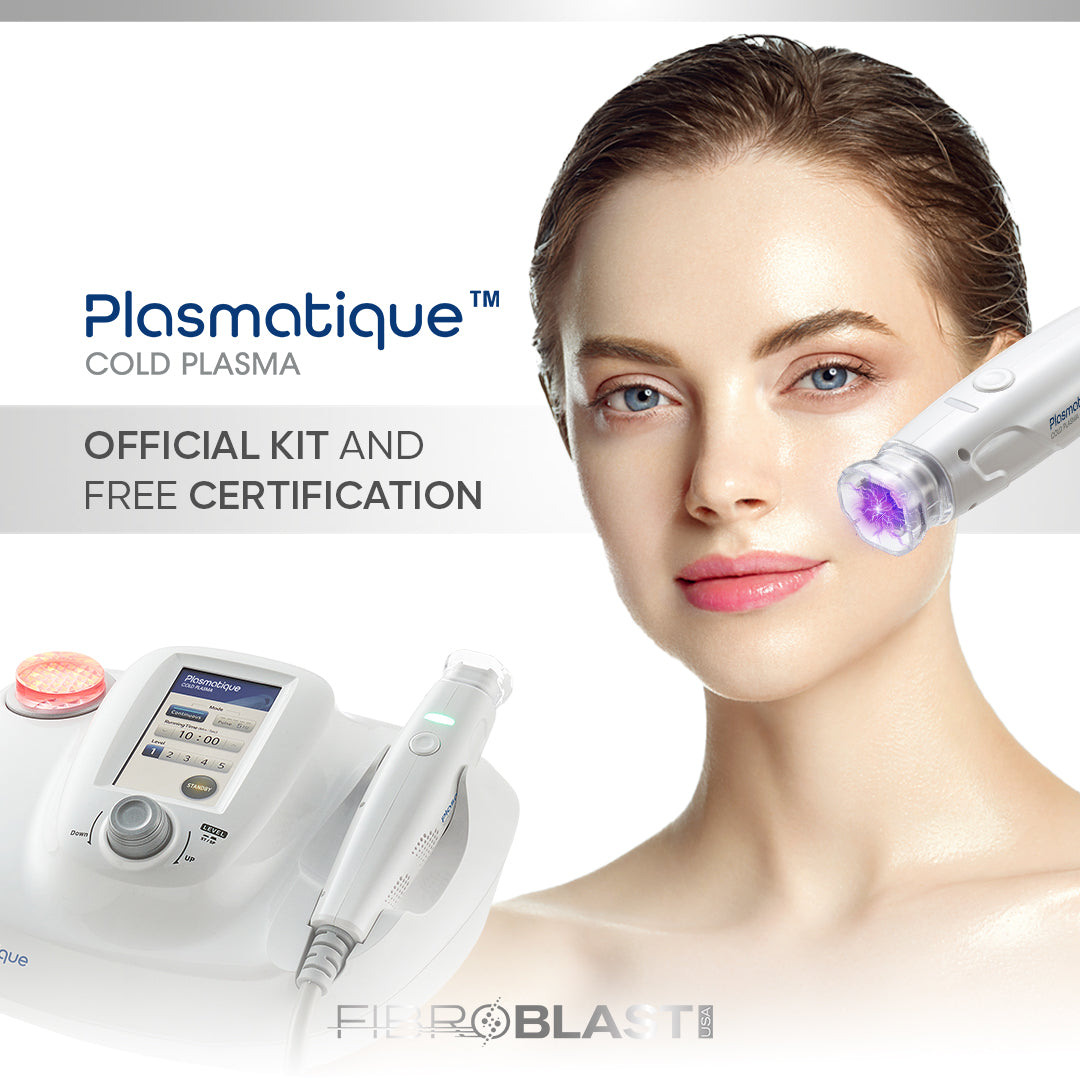
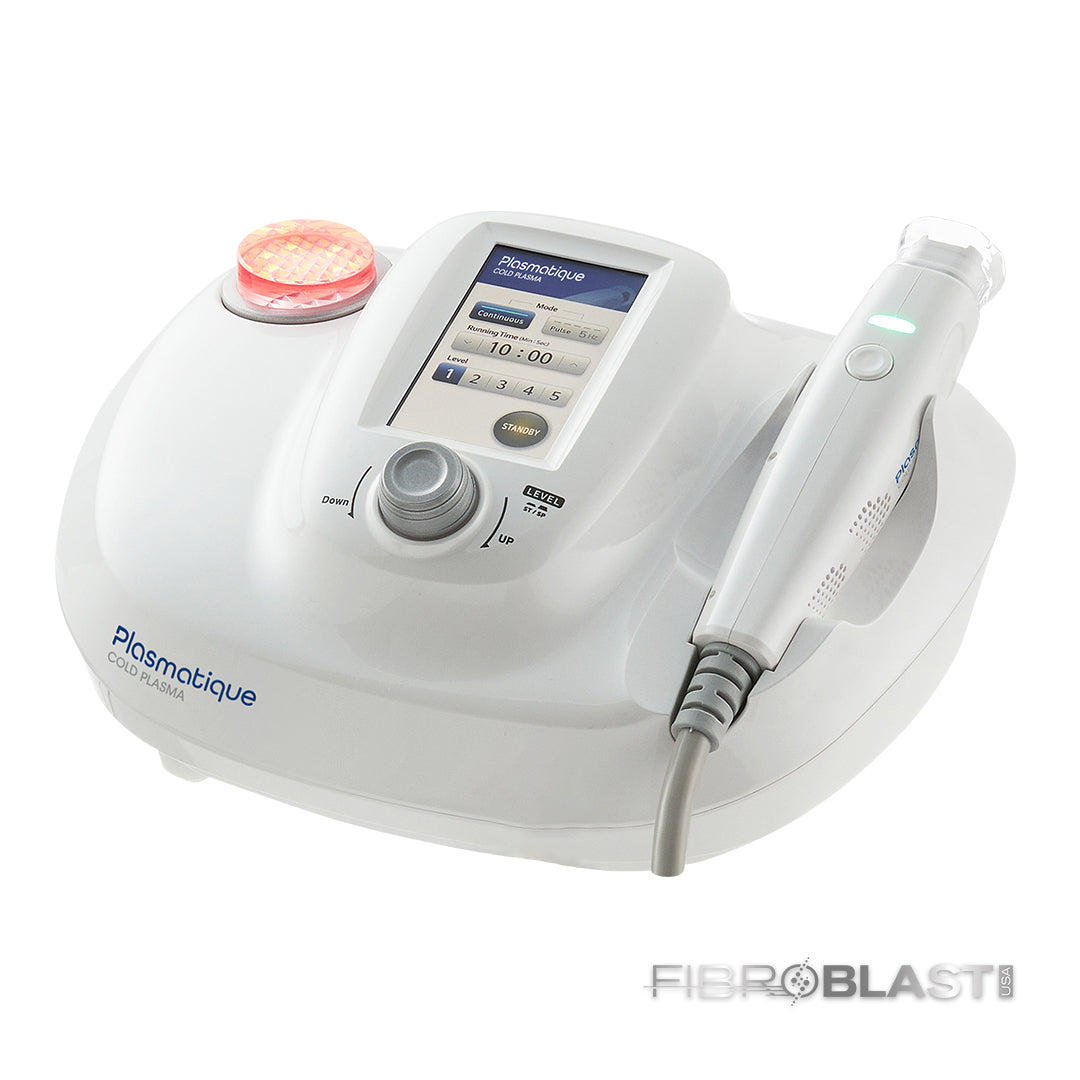
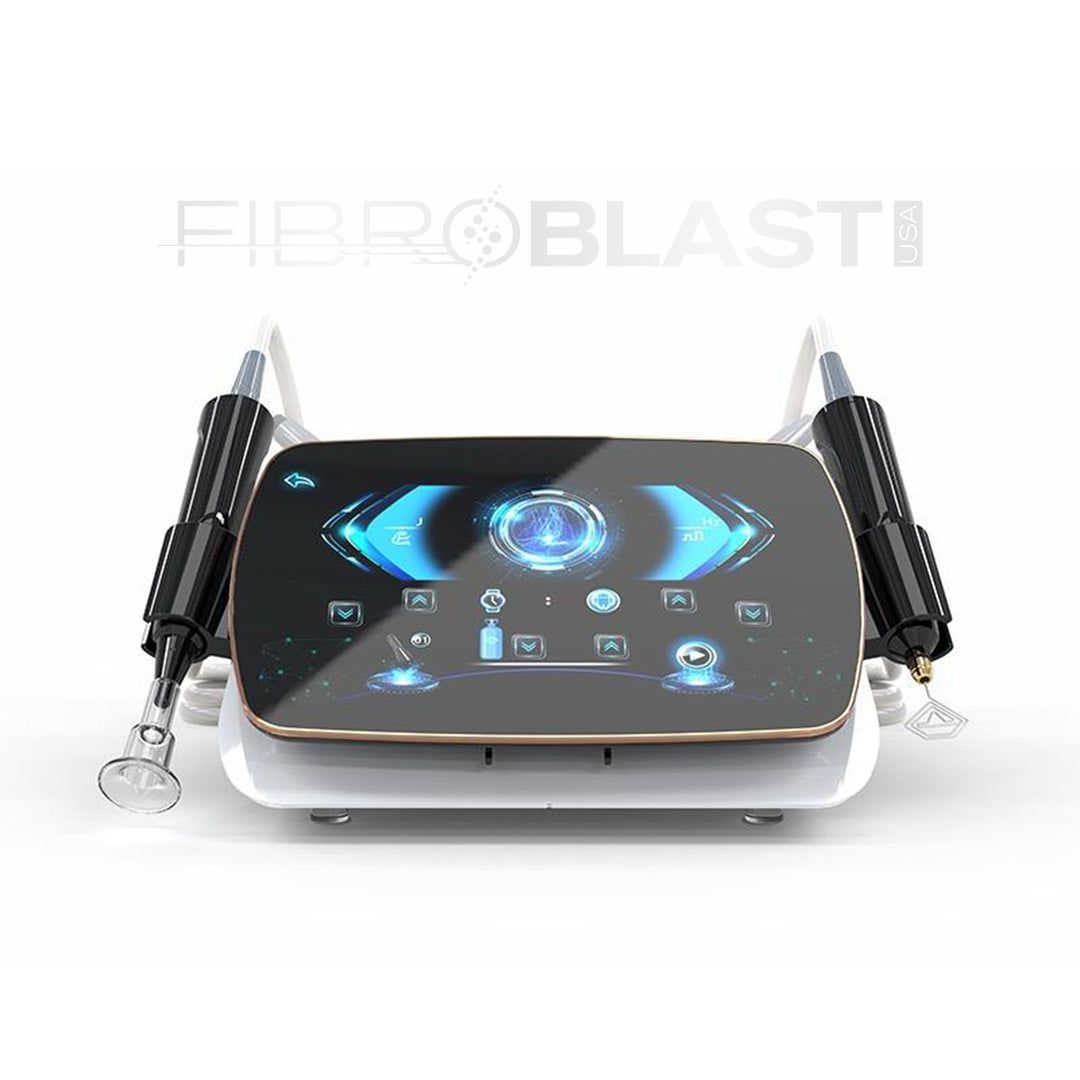
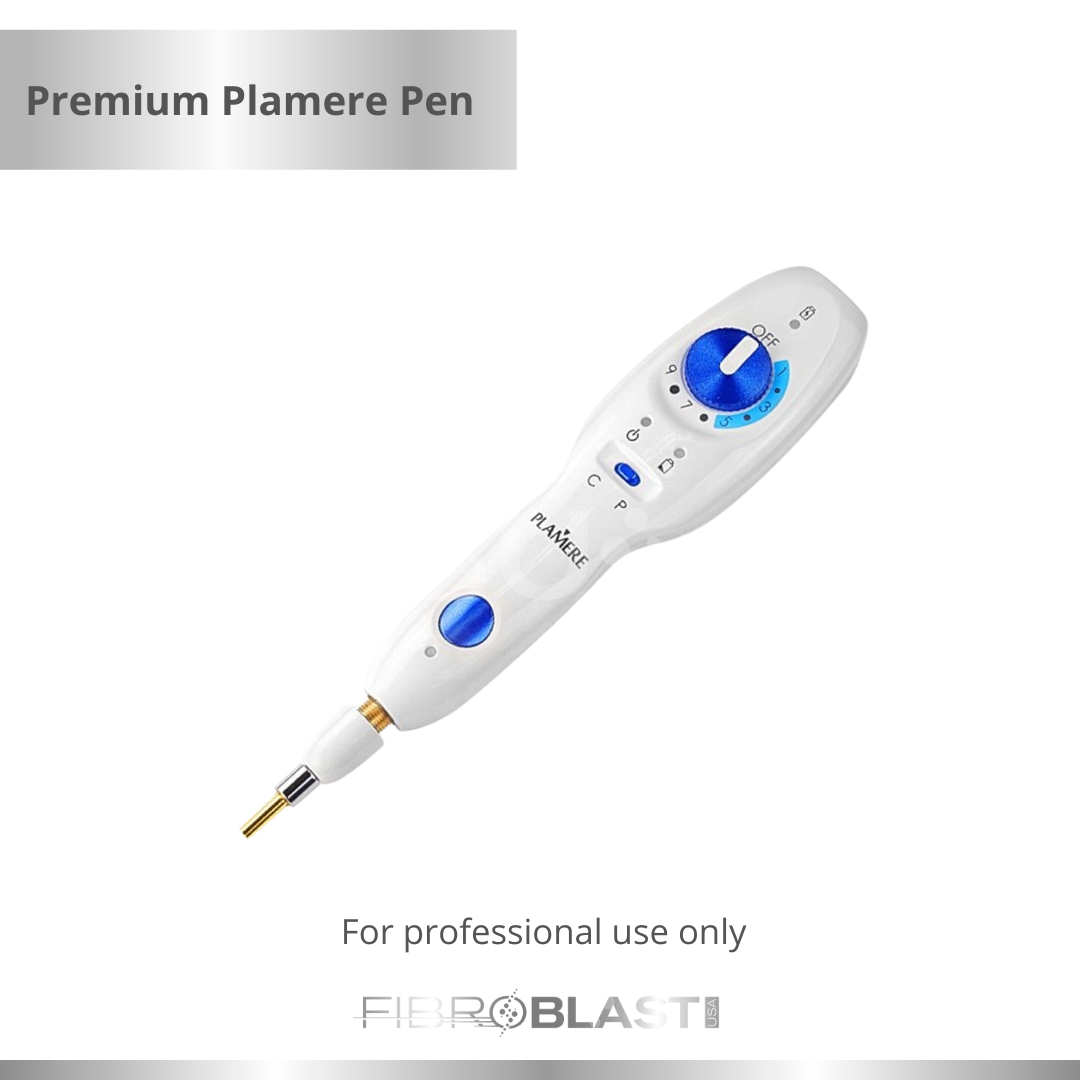
Plamere™ is a professional-use plasma fibroblast device designed for trained and licensed practitioners. It uses a precise electrical arc to create tiny, superficial carbon crusts on the skin’s surface. These micro-injuries trigger a tightening and contraction effect that many people seek for areas such as fine lines, mild laxity, or uneven texture.
The technique involves no cutting or surgical penetration. Instead, the plasma arc interacts with the outermost layer of the skin. Since every technique relies heavily on practitioner skill, experience, and hygiene standards, the quality of training and proper handling of the device are essential.
At FibroblastUSA, we emphasize professional education, accuracy, and safe practice. A practitioner’s technique, their assessment of the client’s skin, and their aftercare guidance play a major role in how the treated area ultimately looks.

Who Typically Considers Plasma Fibroblast Treatments?
People seek plasma fibroblast procedures for a variety of cosmetic reasons. While motivation differs from person to person, some of the most commonly targeted concerns include:
- Fine lines or creasing around the eyes
- Mild hooding on the upper eyelids
- Loose texture on the neck or jawline
- Uneven skin texture
- Appearance of small wrinkles around the mouth
It’s important to remember that not every individual is a candidate. Factors such as skin type, Fitzpatrick level, existing conditions, healing history, and overall sensitivity all influence suitability. Practitioners generally evaluate these details during consultation to determine whether the treatment is appropriate.
Before & After With Plamere™: What the Process Realistically Looks Like
Before Treatment: The Starting Point Matters
A realistic understanding of “before” photos is important. Many people begin with:
- Visible fine lines
- Localized skin laxity
- Texture irregularities
- Sun-related creasing
- Mildly hooded lids
Because every person’s skin baseline is different, the degree of visible change in “after” photos will vary. A client with more visible texture may see a more noticeable shift than someone with minimal concerns. Likewise, differences in age, hydration, and collagen levels affect the starting point.
Immediately After the Procedure
Right after a Plamere™ session, the treated area usually looks:
- Red or swollen
- Marked with tiny carbon dots
- Slightly warm
- Tight or dry
These reactions are part of the expected process. The tiny dots are intentional and indicate where the plasma arc interacted with the skin. For many clients—especially around the eyes—mild swelling is most visible within the first 24–48 hours.
Days 1–7: Crusting and Shedding
Over the next several days, the carbon crusts form and naturally detach. During this time, the treated area may look:
- More textured than usual
- Slightly darker as crusts form
- Gradually lighter as crusts shed
- Pinkish once new skin appears
One of the most important rules during this stage is to avoid picking or scratching. Disturbing the crusts prematurely can increase the risk of irritation or uneven healing. Most people go through the crusting phase within a week, although some may take slightly longer depending on the area treated and their natural healing rate.
Weeks 2–8: The Gradual Skin-Tightening Phase
Once the crusts have shed, the skin typically appears pink or fresh. Over the following weeks, many clients report:
- A smoother surface
- A tightening sensation
- A gradual improvement in the appearance of fine lines
- More uniform texture
This stage is gradual because the skin is naturally remodeling itself. The body continues its repair process over several weeks, which is why many “after” photos shown by practitioners are taken around 6–8 weeks after treatment.
2–3 Months Later: The “Final” Look
By the end of two to three months, most clients can see how the treated area has settled. Many practitioners schedule a follow-up at this point to evaluate progress and determine whether an additional session is beneficial based on the individual’s goals, skin characteristics, and natural response. Some people choose only one session; others may return for incremental improvement.
What Influences Before & After Results?
Several factors contribute to the outcome of plasma fibroblast treatments:
1. Practitioner Skill
The precision of the technique has a major impact on the outcome. The spacing of dots, intensity level, and overall pattern determine how the skin responds.
2. Aftercare Compliance
Following aftercare instructions plays a key role in supporting comfortable and healthy healing. Examples include:
- Leaving crusts undisturbed
- Avoiding sun exposure
- Using gentle products recommended by the practitioner
- Keeping the area clean and dry as instructed
3. Age and Skin Type
Younger skin may respond differently than mature skin. Thicker or more resilient skin also behaves differently from thinner, delicate areas such as eyelids.
4. Lifestyle
Hydration, quality sleep, nutrition, and long-term sun habits all influence skin health and the appearance of results.
5. Number of Sessions
Depending on individual needs, some practitioners may recommend more than one session spaced several weeks apart.
How Professionals Use Plamere™ Safely
Practitioners who use Plamere™ typically follow structured protocols for sanitation, skin preparation, and aftercare. Safety practices often include:
- Sterile working environment
- High-grade hygiene standards
- Patch testing when needed
- Clear explanation of risks and expectations
- Proper spacing of treatment points
- Thorough review of the client’s health history
Professional training ensures practitioners understand how to operate the device responsibly and tailor their technique to each client’s skin.
Common Experiences Clients Share After Treatment
People often describe:
- A sensation of tightness during the healing phase
- A feeling of dryness as crusts form
- Visible smoothing of the treated area over time
- A more refined texture after full healing
These are observations reported anecdotally and vary from person to person. Every skin type reacts at its own pace.
Aftercare: Supporting Healthy Healing
Aftercare is essential to achieving good outcomes and protecting the treated area. Practitioners usually recommend:
- Avoiding makeup on the treated area until crusts shed
- Keeping skin dry as advised
- Using gentle cleansers or healing products recommended by the practitioner
- Avoiding tanning beds and excessive sun exposure
- Refraining from picking crusts
Proper aftercare helps minimize irritation and maintain the skin’s natural recovery rhythm.
Potential Side Effects to Be Aware Of
Plasma fibroblast treatments involve controlled micro-injuries, so temporary side effects are expected. These may include:
- Redness
- Swelling
- Carbon crusts
- Itching or mild discomfort
- Pinkish tone after crust shedding
Individuals with certain skin conditions or those using specific medications may not be suitable candidates. Practitioners typically review contraindications carefully before proceeding.
How Plamere™ Differs From Other Non-Invasive Methods
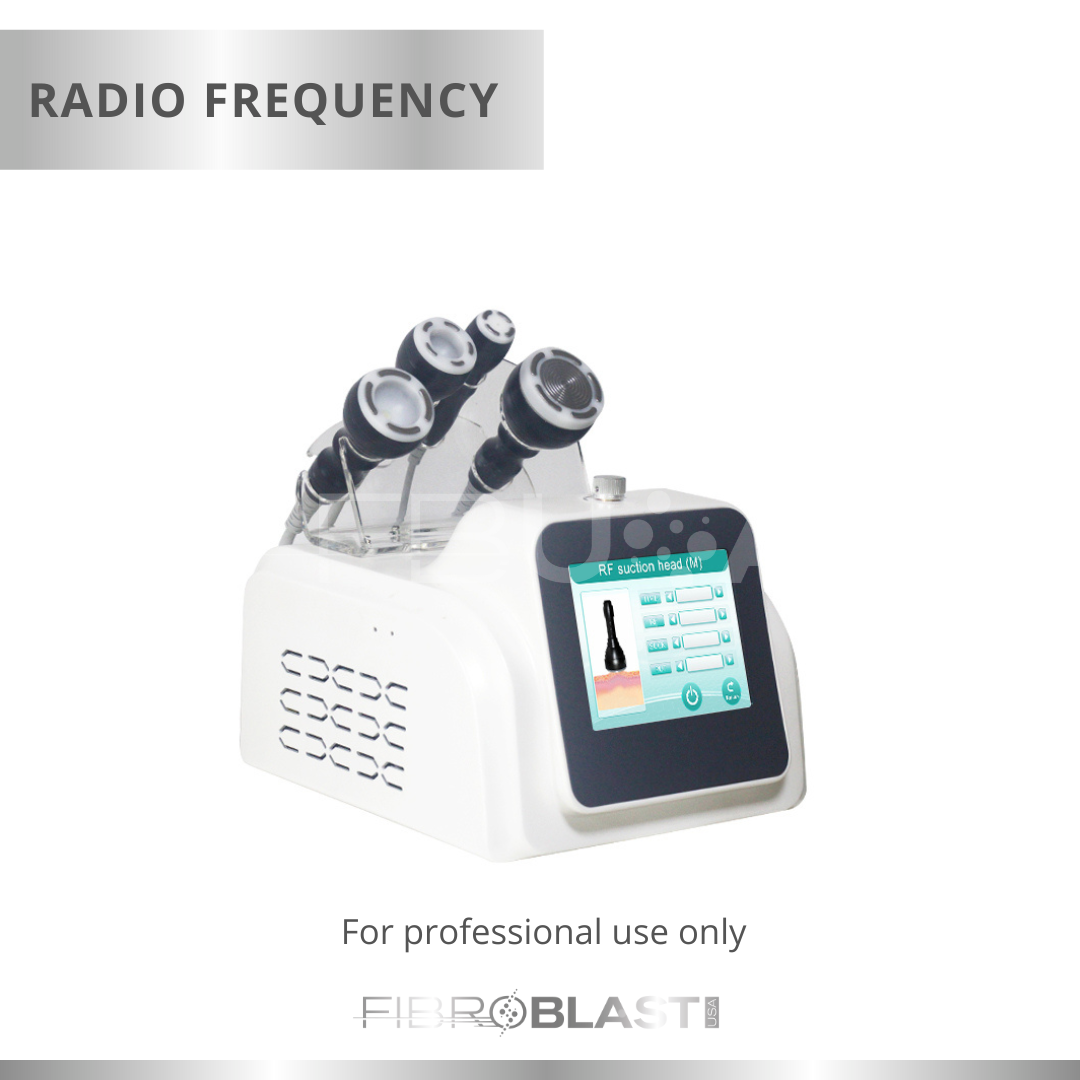
Plasma fibroblast techniques differ from methods such as radiofrequency, microneedling, and laser resurfacing. Each method interacts with the skin differently:
- Microneedling targets deeper layers using small needles
- Radiofrequency relies on heat delivery within the skin
- Laser treatments use light energy
Plamere™ focuses on controlled micro-damage at the surface level. The choice between these options depends on the client’s goals and the practitioner’s assessment.
Before & After Photo Guidelines for Honest Documentation
To create accurate before-and-after comparisons, practitioners usually follow standards such as:
- Consistent lighting
- The same camera angle
- No filters or alterations
- Identical framing and distance
- Neutral facial expressions
Clear, honest documentation helps clients understand realistic expectations.
Key Takeaways
- Plamere™ is a professional plasma fibroblast device used for surface-level tightening by trained practitioners.
- Before-and-after results vary based on age, skin type, technique, session count, and aftercare.
- The healing timeline commonly spans from immediate redness to crust formation, shedding, and visible refinement over several weeks.
- Realistic results depend heavily on practitioner skill and the client’s natural healing process.
- No device or technique produces the same result for everyone, so maintaining realistic expectations is important.
FAQs: Plamere™ Before & After — Realistic Expectations
1. What does the skin typically look like right after a Plamere™ treatment?
Immediately afterward, most people notice small carbon dots, mild redness, and some swelling. These effects are expected and part of the natural response to the plasma arc. The treated area often feels warm or tight for the first day.
2. How long does the healing process usually take?
The healing timeline varies from person to person, but many people experience crusting for several days, followed by gradual shedding around day 5–7. The skin often appears pink once crusts fall away, and this fresh skin continues to settle over the next several weeks.
3. When do most people see their “after” results?
While minor changes may be visible once crusts shed, many practitioners take “after” photos around 6–8 weeks because the skin continues to tighten and settle during that time. Full remodeling can take up to a few months, depending on the individual.
4. Is swelling normal after Plamere™ fibroblast treatments?
Yes, swelling—especially around delicate areas like the eyes—is a common temporary reaction. It usually peaks during the first 24–48 hours and then gradually decreases.
5. Does the procedure hurt?
Comfort levels vary. Many practitioners use numbing cream to keep clients comfortable. Some areas may feel warm or lightly stinging during the session, depending on the person’s sensitivity.

